Review of forage testing and pasture management for PSSM
Pasture grass swings from safe to dangerous within a single afternoon. This review compiles the agronomic and equine-nutrition literature on diurnal sugar variation, hay storage, grass species, harvest stage, and grazing-restriction strategies, then turns it into a year-round forage plan. Owners who think "the hay is tested, turnout is fine" often miss the pasture half of the equation. Read with reviews 02 (sugar threshold) and 09 (meal timing).
Research thesis
This systematic review argues that PSSM forage management is a year-round biology problem, not a seasonal precaution, not only because diurnal and seasonal NSC swings in pasture grass routinely exceed the safe ceiling for affected horses, but also because hay storage, grass species, harvest stage, and field fertilization each change the NSC profile in ways that defeat single-test reassurance; by synthesizing the agronomic, equine nutrition, and clinical literature on hay quality, rotational grazing, grazing muzzles, dry-lot management, and pasture-restriction protocols across temperate and warm-season grass systems, this review builds a season-stratified forage management protocol and identifies where current heuristics oversimplify the underlying biology.
Evidence visualizations & full pages
Evidence figures (3)
Figures referenced by the review's Figure N: captions. Click any chart for a full-size view. They are also rendered inline below their respective captions in the full review text further down.
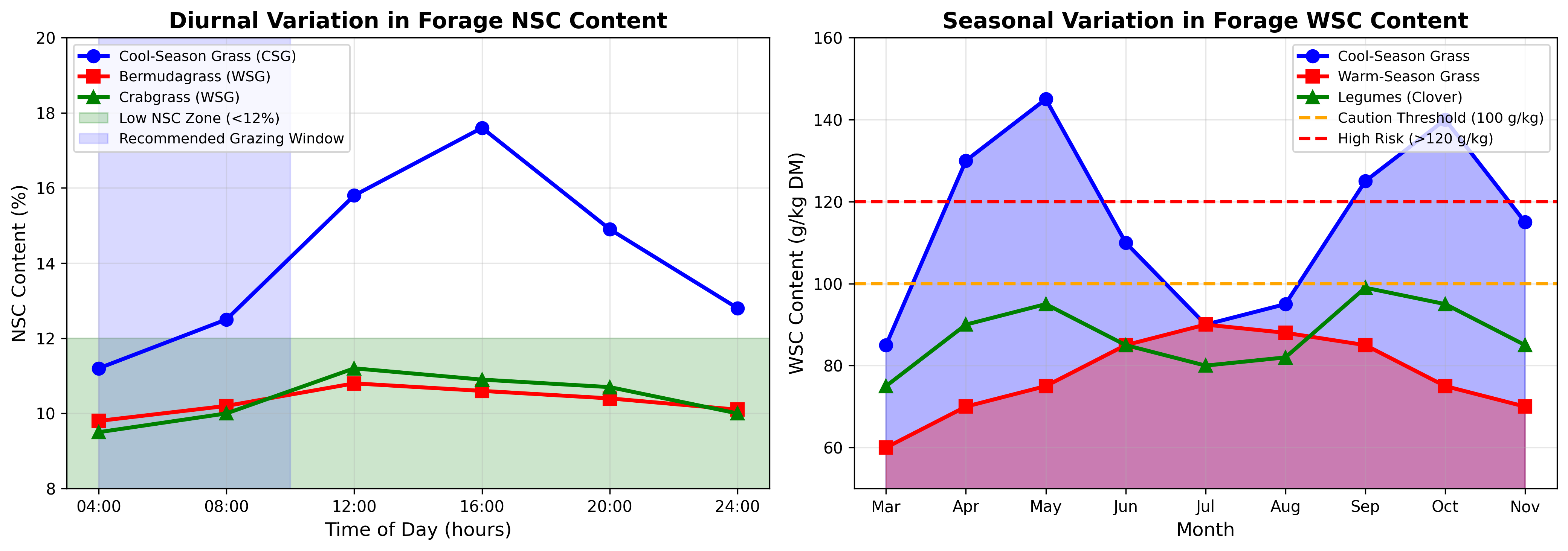 Figure 1. Diurnal and seasonal variation in forage NSC content. Left panel shows time-of-day variation across grass types (data derived from Weinert-Nelson et al. 2021). Right panel illustrates seasonal WSC pa
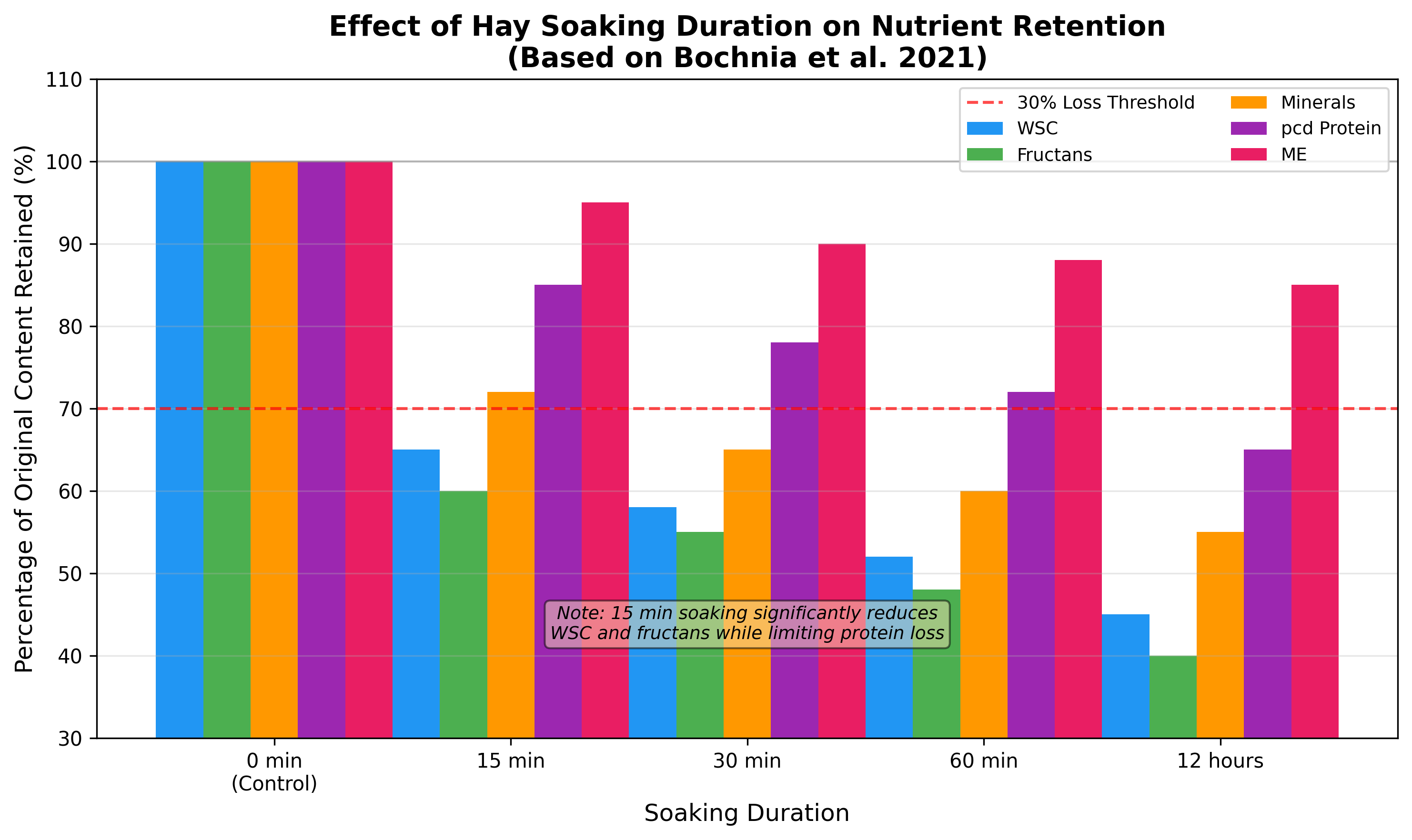 Figure 1. Diurnal and seasonal variation in forage NSC content. Left panel shows time-of-day variation across grass types (data derived from Weinert-Nelson et al. 2021). Right panel illustrates seasonal WSC pa
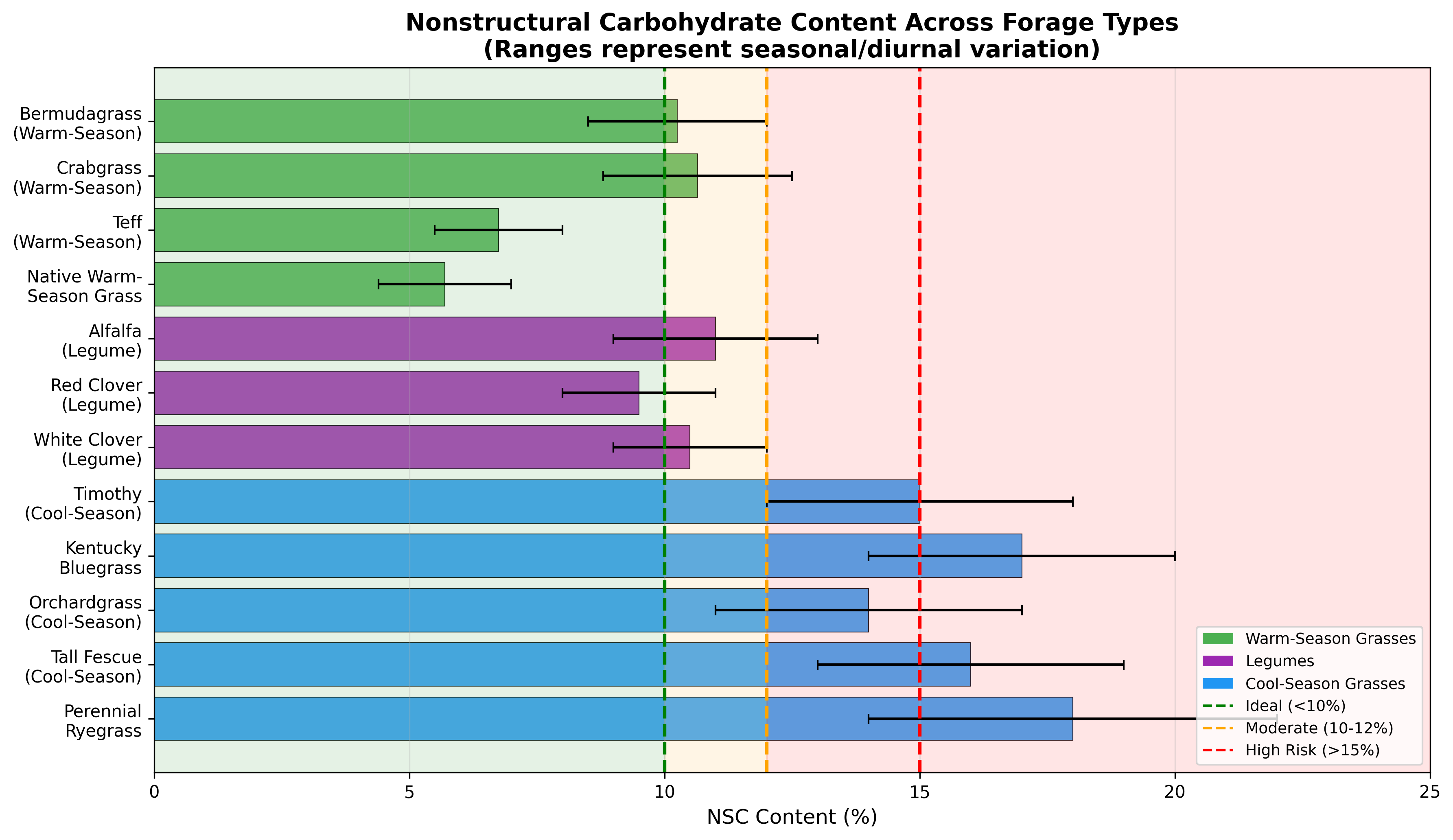 Figure 1. Diurnal and seasonal variation in forage NSC content. Left panel shows time-of-day variation across grass types (data derived from Weinert-Nelson et al. 2021). Right panel illustrates seasonal WSC pa
Original review pages (PDF render)
Download
Full review text
Forage testing and pasture management for PSSM
Forage Testing and Pasture Management for Polysaccharide Storage Myopathy (PSSM) in Horses: A Systematic Review
1. Introduction and Background
1.1 Overview of Polysaccharide Storage Myopathy
Polysaccharide Storage Myopathy (PSSM) represents a group of glycogen storage disorders affecting equine skeletal muscle, characterized by abnormal accumulation of glycogen and amylase-resistant polysaccharide within muscle fibers [1]. Type 1 PSSM (PSSM1) is an autosomal dominant disorder caused by a gain-of-function mutation (R309H) in the glycogen synthase 1 gene (GYS1), affecting more than 20 breeds of horses and manifesting with various clinical signs including exertional rhabdomyolysis [1]. The genetic basis for PSSM1 has been well-established, whereas Type 2 PSSM (PSSM2) remains genetically undefined but demonstrates similar histopathological features including aggregates of abnormal polysaccharide in skeletal muscle [2]. Research has demonstrated that PSSM1 exhibits incomplete dominance, with homozygotes showing higher resting creatine kinase and aspartate aminotransferase activities compared to heterozygotes, and plasma enzyme activities correlating with the severity of subsarcolemmal vacuolation and cytoplasmic inclusions [3].
The clinical management of both PSSM types has centered on dietary modification and exercise protocols. Studies have consistently shown that both PSSM1 and PSSM2 respond well to a low nonstructural carbohydrate (NSC), high-fat diet combined with regular exercise [1]. This dietary approach aims to reduce glycogen synthesis by limiting substrate availability while providing alternative energy sources through fat supplementation. Importantly, the dietary management principles for PSSM have been influenced by research on related metabolic conditions, particularly equine metabolic syndrome (EMS), where excessive dietary NSC, unrestricted pasture access, and physical inactivity serve as primary drivers of metabolic dysfunction [4].
1.2 Rationale for Forage-Focused Management
The importance of forage management in PSSM cannot be overstated, given that fiber represents the most critical component of the equine diet after water [5]. The horse has evolved as a non-ruminant herbivore adapted to plant-fiber or forage-based diets, and failure to meet minimum forage requirements can result in both physiological and behavioral consequences [5]. Forage should comprise the foundation of any equine diet, and for PSSM-affected horses, the selection of appropriate forage becomes paramount to managing carbohydrate intake while meeting nutritional requirements. Research has demonstrated that nutrigenomics plays a crucial role in equine muscle diseases, with PSSM1 serving as a prime example where low-starch, high-fat diets are recommended to prevent episodes of rhabdomyolysis [6].
1.3 Scope and Objectives
This systematic review examines the evidence base for forage selection, hay testing protocols, pasture access management, and seasonal carbohydrate variation in feeding horses with PSSM. The review encompasses grass hay, mixed hay, alfalfa/lucerne, clover, pasture grasses, soaked hay, haylage, and fiber-based supplements including beet pulp and soybean hulls. Evidence is stratified into practical tiers: directly supported by PSSM outcome studies, indirectly supported by related metabolic condition research, expert consensus recommendations, and unsupported claims.
---
2. Nonstructural Carbohydrate Chemistry and Laboratory Analysis
2.1 Components of NSC in Forages
Temperate grasses contain both water-soluble carbohydrates (WSC) and ethanol-soluble carbohydrates (ESC) that have been implicated in equine pasture-associated laminitis and other metabolic disorders [7]. Water-soluble carbohydrates include glucose, fructose, sucrose, and fructans (fructose polymers) of varying lengths, while ESC consists of glucose, fructose, sucrose, and shorter fructans [7]. The distinction between these carbohydrate fractions is clinically relevant because different components have varying effects on glycemic and insulinemic responses. Understanding this chemistry is essential for interpreting forage analysis reports and making appropriate feeding decisions for PSSM-affected horses.
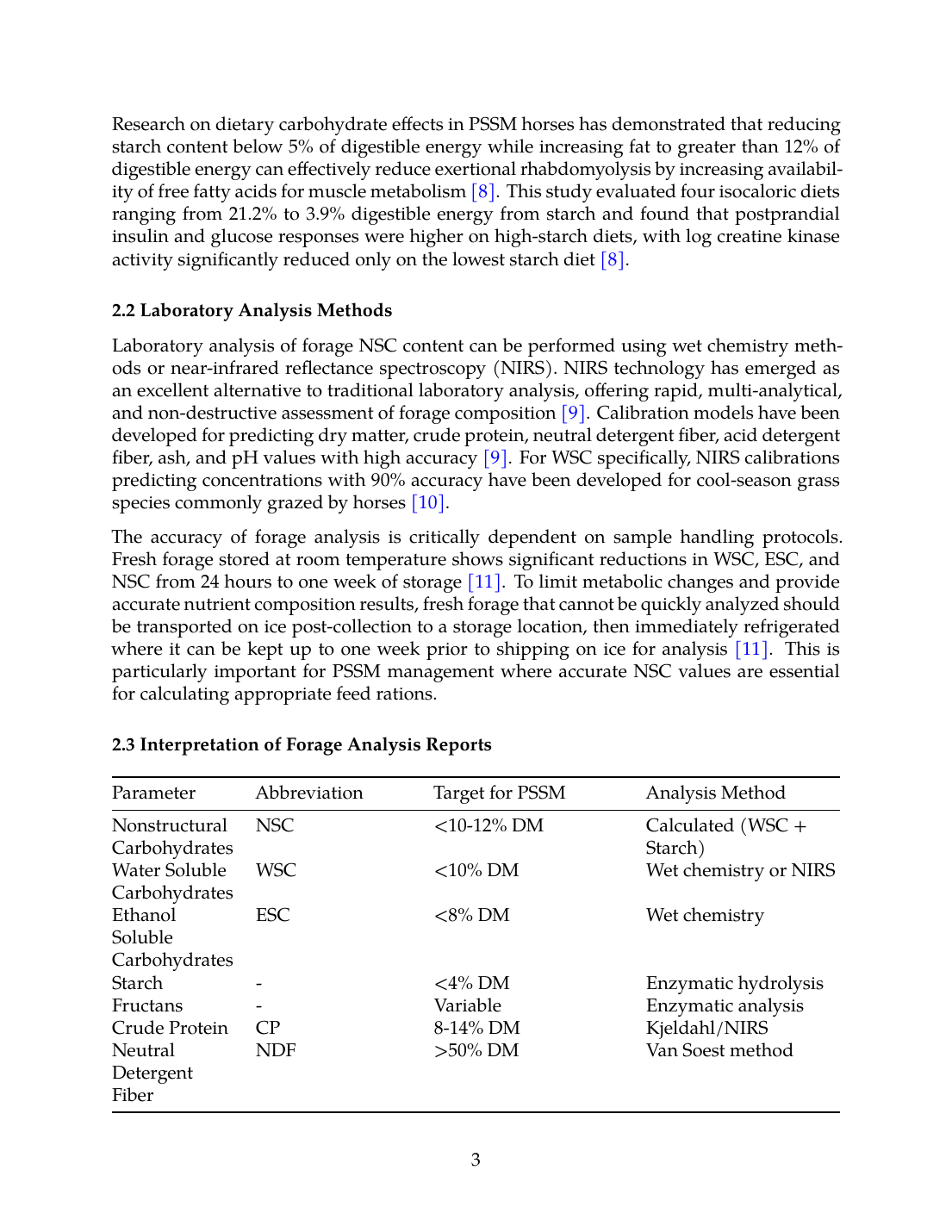
Research on dietary carbohydrate effects in PSSM horses has demonstrated that reducing starch content below 5% of digestible energy while increasing fat to greater than 12% of digestible energy can effectively reduce exertional rhabdomyolysis by increasing availability of free fatty acids for muscle metabolism [8]. This study evaluated four isocaloric diets ranging from 21.2% to 3.9% digestible energy from starch and found that postprandial insulin and glucose responses were higher on high-starch diets, with log creatine kinase activity significantly reduced only on the lowest starch diet [8].
2.2 Laboratory Analysis Methods
Laboratory analysis of forage NSC content can be performed using wet chemistry methods or near-infrared reflectance spectroscopy (NIRS). NIRS technology has emerged as an excellent alternative to traditional laboratory analysis, offering rapid, multi-analytical, and non-destructive assessment of forage composition [9]. Calibration models have been developed for predicting dry matter, crude protein, neutral detergent fiber, acid detergent fiber, ash, and pH values with high accuracy [9]. For WSC specifically, NIRS calibrations predicting concentrations with 90% accuracy have been developed for cool-season grass species commonly grazed by horses [10].
The accuracy of forage analysis is critically dependent on sample handling protocols. Fresh forage stored at room temperature shows significant reductions in WSC, ESC, and NSC from 24 hours to one week of storage [11]. To limit metabolic changes and provide accurate nutrient composition results, fresh forage that cannot be quickly analyzed should be transported on ice post-collection to a storage location, then immediately refrigerated where it can be kept up to one week prior to shipping on ice for analysis [11]. This is particularly important for PSSM management where accurate NSC values are essential for calculating appropriate feed rations.
2.3 Interpretation of Forage Analysis Reports
| Parameter | Abbreviation | Target for PSSM | Analysis Method |
|---|---|---|---|
| Nonstructural Carbohydrates | NSC | <10-12% DM | Calculated (WSC + Starch) |
| Water Soluble Carbohydrates | WSC | <10% DM | Wet chemistry or NIRS |
| Ethanol Soluble Carbohydrates | ESC | <8% DM | Wet chemistry |
| Starch | - | <4% DM | Enzymatic hydrolysis |
| Fructans | - | Variable | Enzymatic analysis |
| Crude Protein | CP | 8-14% DM | Kjeldahl/NIRS |
| Neutral Detergent Fiber | NDF | >50% DM | Van Soest method |
3. Forage Types and Their Suitability for PSSM
3.1 Grass Hay Varieties
3.1.1 Cool-Season Grasses
Cool-season grasses including timothy, orchardgrass, tall fescue, Kentucky bluegrass, and perennial ryegrass form the predominant forage base in temperate horse pastures [12]. These grasses demonstrate substantial variation in NSC content based on species, cultivar, harvest timing, and environmental conditions. Research has shown that NSC content in cool-season grass pastures is greatest in the afternoon and evening (14.5-14.9%) and lowest in the early morning (11.2-11.4%), with diurnal variation most pronounced in cool-season versus warm-season grasses [13]. Among cool-season species, perennial ryegrass and tall fescue typically demonstrate the highest WSC concentrations, with high-WSC cultivars including "Aberzest" and "Calibra" perennial ryegrass and "Bronson" and "Cajun II" tall fescue [10].
The impact of harvest maturity on forage quality is significant for PSSM management. Early-harvested forage can fulfill energy and protein requirements without needing concentrate supplementation, thereby promoting hindgut health while avoiding the metabolic consequences of starch-rich feeds [14]. When horses were fed early-harvested grass haylage compared to mature grass haylage with concentrate, the early-harvested forage resulted in greater faecal water-holding capacity without increasing body weight and greater faecal concentrations of total bacteria [14]. This finding supports the use of higher-quality, less mature grass hay for PSSM horses, as it can provide adequate energy while minimizing NSC intake.
3.1.2 Warm-Season Grasses
Warm-season grasses have emerged as promising alternatives for horses requiring low-NSC forages. Research evaluating bermudagrass and crabgrass demonstrated that NSC content was significantly lower in these warm-season species (10.6% and 10.9%, respectively) compared to mixed cool-season grass (17.6%) [13]. Native warm-season grasses including indiangrass and big bluestem have shown even lower NSC levels (4.4-5.4%), well below maximum recommended concentrations for horses susceptible to laminitis [15]. These findings suggest that warm-season grasses may serve as appropriate pasture forages for PSSM horses where NSC intake is of concern.
Horses grazing teff, an annual warm-season grass, demonstrated reduced average glucose, average insulin, and peak insulin concentrations compared to horses grazing perennial cool-season grasses in late fall [12]. Similarly, studies comparing glucose and insulin responses in aged horses grazing different forage species found that teff had lower NSC compared to cool-season grass in late fall, with subsequently lower average glucose, average insulin, and peak insulin in horses grazing teff [16]. These metabolic responses support the strategic use of warm-season grass pastures for managing common equine health concerns including conditions related to carbohydrate sensitivity.
3.2 Alfalfa and Legumes
3.2.1 Alfalfa (Lucerne)
Alfalfa provides high levels of protein and minerals including calcium and magnesium, making it a valuable forage component when managed appropriately [17]. Research comparing alfalfa haylage, alfalfa hay, and meadow hay in horses demonstrated that alfalfa products provide substantially higher crude protein (127-139 g/kg DM) compared to meadow hay (79-87 g/kg DM), with calcium levels significantly elevated in alfalfa products [17]. For PSSM horses, the key consideration is that alfalfa typically contains lower NSC than cool-season grass hays, making it potentially suitable as a forage component. Survey data from elite equine athletes confirmed that many polo participants feed alfalfa hay or alfalfa/grass hay mixtures, with nutritional value rated as extremely important in forage selection decisions [18].
3.2.2 Clover Species
Research on red and white clover has documented seasonal and diurnal variation in water-soluble carbohydrates relevant to PSSM management. Mean monthly WSC concentrations in clover ranged from 80 to 99 mg/g (freeze-dried weight basis), with white clover demonstrating 14% more WSC than red clover in September [19]. Importantly, WSC concentrations were 10% higher in the afternoon than in the morning, while starch concentrations showed dramatic diurnal variation at 290% higher in the afternoon compared to morning [19]. These findings indicate that timing of grazing access is critical when clover is present in pastures used by PSSM horses, with morning grazing preferred to minimize carbohydrate intake.
3.3 Mixed and Specialty Forages
3.3.1 Mixed Grass-Legume Forages
Mixed grass-legume pastures represent the typical composition of many horse pastures. Studies on horses fed mixed legume grass hay demonstrated metabolic responses to dietary carbohydrates that are relevant to PSSM management [20]. Research has shown that high-NSC diets are linked to insulin resistance and laminitis in horses, supporting the need for careful forage selection [20]. When evaluating mixed forages for PSSM horses, laboratory analysis becomes essential because the proportions of grass to legume species can vary substantially between harvests and affect overall NSC content.
3.3.2 Haylage and Silage
Preserved forages including haylage provide dust-free feeding options that may benefit horses with concurrent respiratory conditions. Research evaluating alfalfa haylage in comparison to hay forms demonstrated that voluntary feed intake, nutrient values, and faecal quality support haylage as a suitable forage source in equids [17]. The preservation of forage as haylage minimizes leaf losses compared to hay production, potentially preserving more of the nutritive value. For PSSM horses, haylage may offer advantages in terms of palatability and digestibility, though the fermentation process does alter the carbohydrate profile of the forage compared to dry hay.
Studies on forage-based diets comparing different fiber compositions found no differences in total bacteria concentrations, fungi and protozoa numbers, nor in cellulolytic bacteria concentrations between diets varying in concentrate inclusion versus forage-only approaches [21]. However, a lower (acetate + butyrate)/propionate ratio was observed when horses were fed concentrate-containing diets compared to forage-only diets, suggesting lower fibrolytic and higher amylolytic activity [21]. This supports the concept that forage-based diets promote healthier hindgut fermentation patterns, which may be beneficial for PSSM horses requiring consistent energy supply without glycemic spikes.
---
4. Seasonal and Diurnal Carbohydrate Variation
4.1 Mechanisms of NSC Accumulation
Water-soluble carbohydrate concentrations in temperate grasses tend to increase under cool temperatures and during cooler seasons [7]. This accumulation reflects the balance between photosynthetic carbon fixation and respiratory utilization by the plant. Multiple factors influence WSC and ESC concentrations including temperature, light intensity, cultivar genetics, defoliation frequency, nitrogen application, and water stress [7]. Understanding these mechanisms is essential for predicting high-risk periods for PSSM horses on pasture. The review of literature over the past decade demonstrates that multiple factors must be considered before assuming how certain management or environmental conditions will affect carbohydrate accumulation in forages.
4.2 Diurnal Patterns
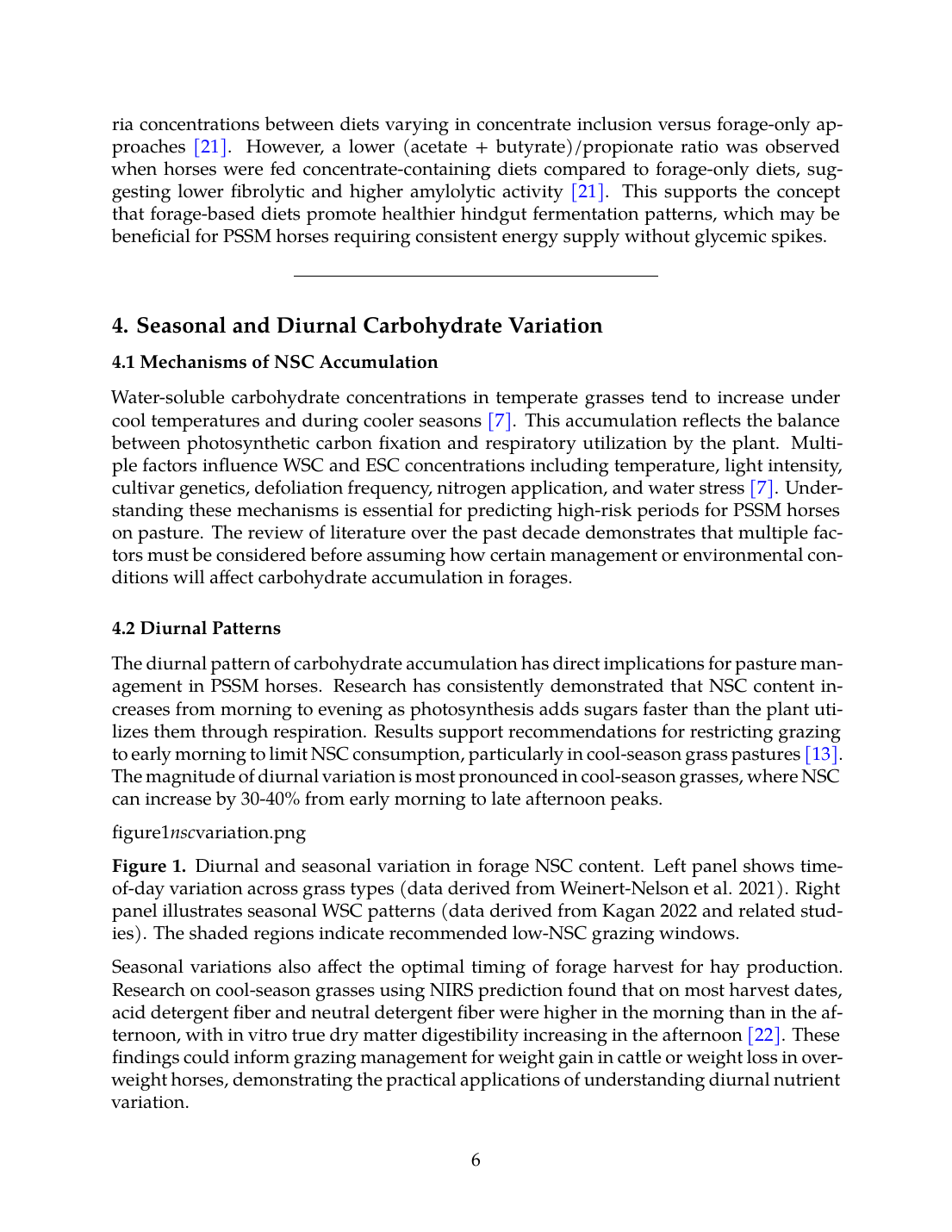
The diurnal pattern of carbohydrate accumulation has direct implications for pasture management in PSSM horses. Research has consistently demonstrated that NSC content increases from morning to evening as photosynthesis adds sugars faster than the plant utilizes them through respiration. Results support recommendations for restricting grazing to early morning to limit NSC consumption, particularly in cool-season grass pastures [13]. The magnitude of diurnal variation is most pronounced in cool-season grasses, where NSC can increase by 30-40% from early morning to late afternoon peaks.
Figure 1. Diurnal and seasonal variation in forage NSC content. Left panel shows time-of-day variation across grass types (data derived from Weinert-Nelson et al. 2021). Right panel illustrates seasonal WSC patterns (data derived from Kagan 2022 and related studies). The shaded regions indicate recommended low-NSC grazing windows.
Seasonal variations also affect the optimal timing of forage harvest for hay production. Research on cool-season grasses using NIRS prediction found that on most harvest dates, acid detergent fiber and neutral detergent fiber were higher in the morning than in the afternoon, with in vitro true dry matter digestibility increasing in the afternoon [22]. These findings could inform grazing management for weight gain in cattle or weight loss in overweight horses, demonstrating the practical applications of understanding diurnal nutrient variation.
4.3 Seasonal Patterns and High-Risk Periods
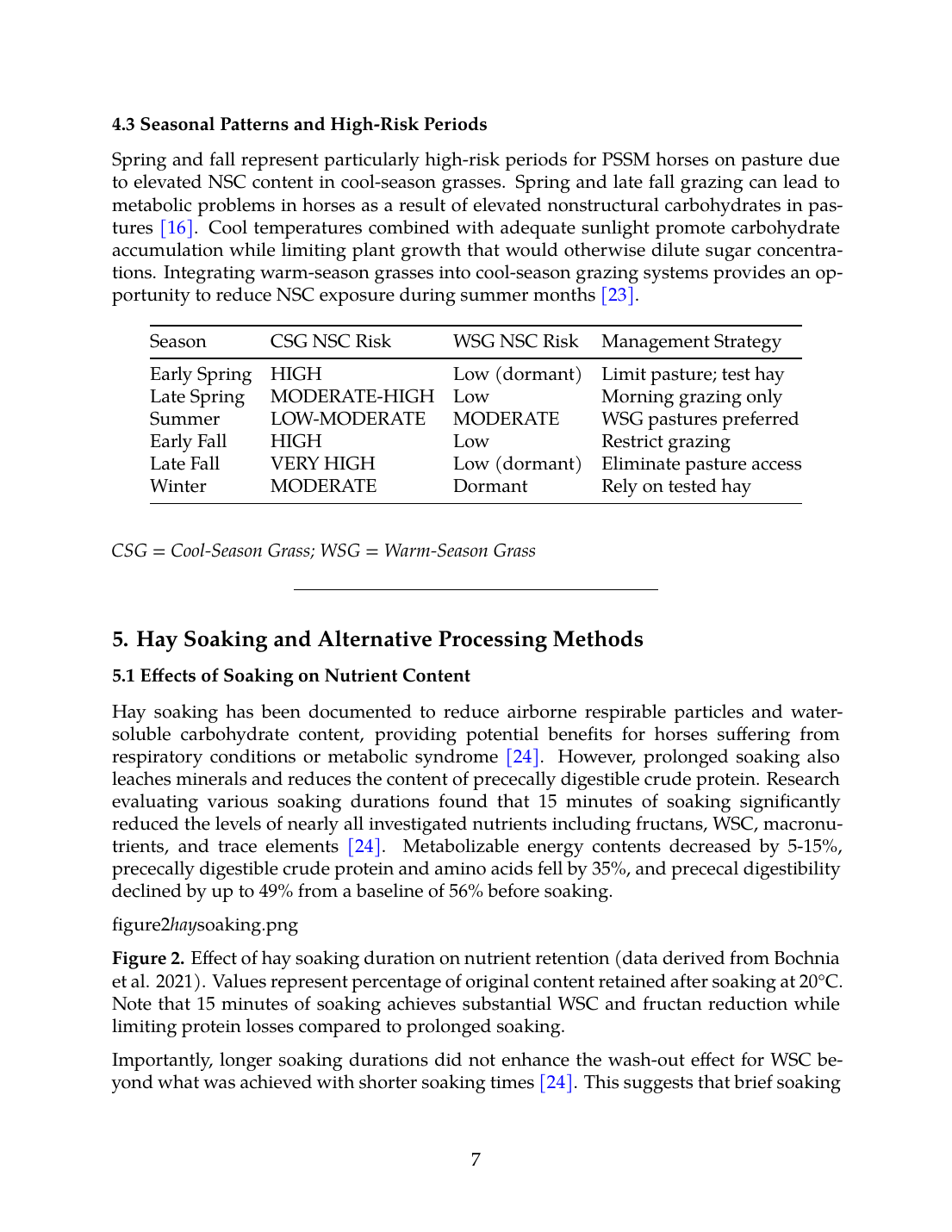
Spring and fall represent particularly high-risk periods for PSSM horses on pasture due to elevated NSC content in cool-season grasses. Spring and late fall grazing can lead to metabolic problems in horses as a result of elevated nonstructural carbohydrates in pastures [16]. Cool temperatures combined with adequate sunlight promote carbohydrate accumulation while limiting plant growth that would otherwise dilute sugar concentrations. Integrating warm-season grasses into cool-season grazing systems provides an opportunity to reduce NSC exposure during summer months [23].
| Season | CSG NSC Risk | WSG NSC Risk | Management Strategy |
|---|---|---|---|
| Early Spring | HIGH | Low (dormant) | Limit pasture; test hay |
| Late Spring | MODERATE-HIGH | Low | Morning grazing only |
| Summer | LOW-MODERATE | MODERATE | WSG pastures preferred |
| Early Fall | HIGH | Low | Restrict grazing |
| Late Fall | VERY HIGH | Low (dormant) | Eliminate pasture access |
| Winter | MODERATE | Dormant | Rely on tested hay |
---
5. Hay Soaking and Alternative Processing Methods
5.1 Effects of Soaking on Nutrient Content
Hay soaking has been documented to reduce airborne respirable particles and water-soluble carbohydrate content, providing potential benefits for horses suffering from respiratory conditions or metabolic syndrome [24]. However, prolonged soaking also leaches minerals and reduces the content of prececally digestible crude protein. Research evaluating various soaking durations found that 15 minutes of soaking significantly reduced the levels of nearly all investigated nutrients including fructans, WSC, macronutrients, and trace elements [24]. Metabolizable energy contents decreased by 5-15%, prececally digestible crude protein and amino acids fell by 35%, and prececal digestibility declined by up to 49% from a baseline of 56% before soaking.
Figure 2. Effect of hay soaking duration on nutrient retention (data derived from Bochnia et al. 2021). Values represent percentage of original content retained after soaking at 20°C. Note that 15 minutes of soaking achieves substantial WSC and fructan reduction while limiting protein losses compared to prolonged soaking.
Importantly, longer soaking durations did not enhance the wash-out effect for WSC beyond what was achieved with shorter soaking times [24]. This suggests that brief soaking (15-30 minutes) may provide most of the carbohydrate reduction benefit while minimizing the loss of other nutrients. Horse owners should be aware that soaking hay, regardless of reason, may negatively alter the nutritional value, and the wide range of wash-out effects may pose risks in calculating the correct dry matter portion to prevent weight loss and maintain metabolizable energy and protein requirements [24].
5.2 Practical Soaking Protocols
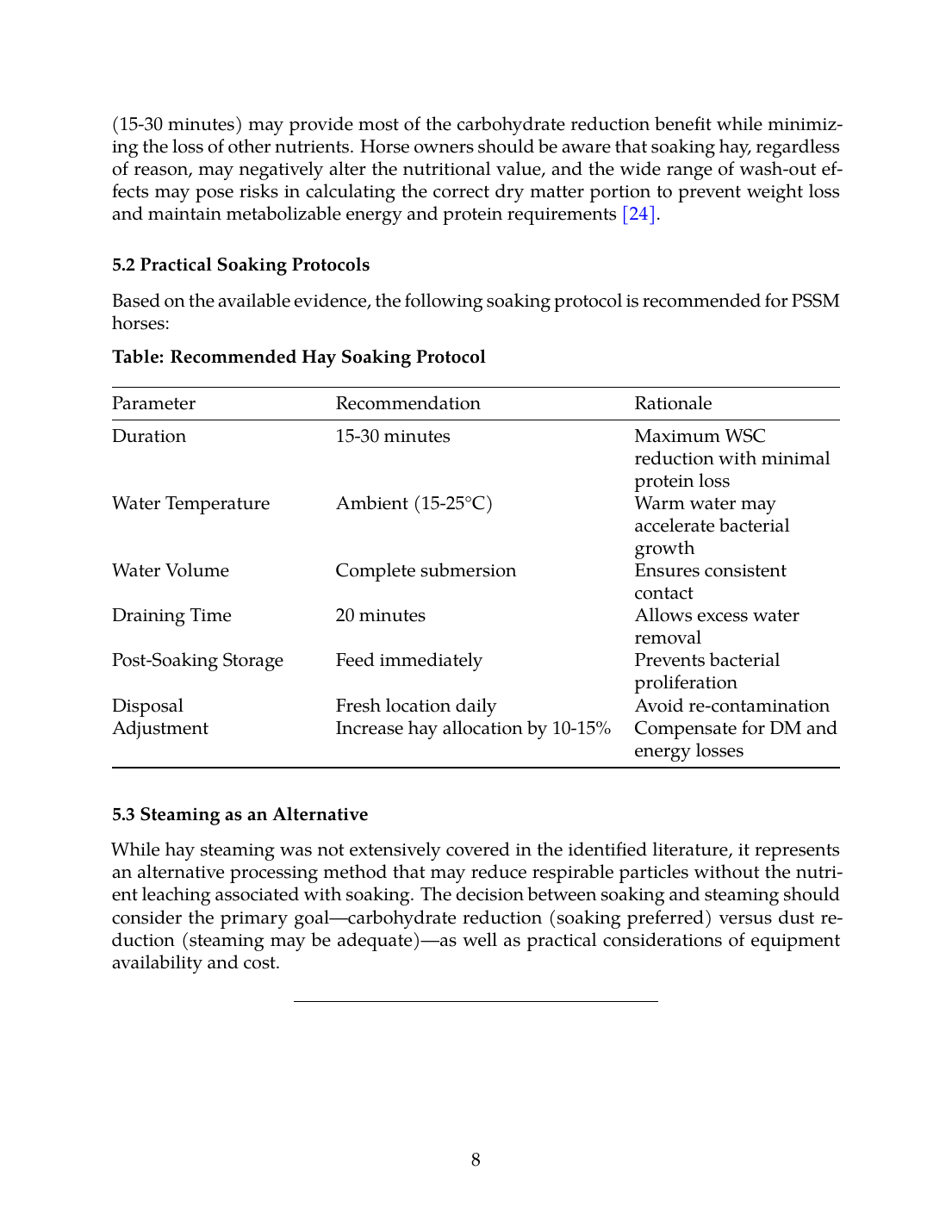
Based on the available evidence, the following soaking protocol is recommended for PSSM horses:
Table: Recommended Hay Soaking Protocol
| Parameter | Recommendation | Rationale |
|---|---|---|
| Duration | 15-30 minutes | Maximum WSC reduction with minimal protein loss |
| Water Temperature | Ambient (15-25°C) | Warm water may accelerate bacterial growth |
| Water Volume | Complete submersion | Ensures consistent contact |
| Draining Time | 20 minutes | Allows excess water removal |
| Post-Soaking Storage | Feed immediately | Prevents bacterial proliferation |
| Disposal | Fresh location daily | Avoid re-contamination |
| Adjustment | Increase hay allocation by 10-15% | Compensate for DM and energy losses |
5.3 Steaming as an Alternative
While hay steaming was not extensively covered in the identified literature, it represents an alternative processing method that may reduce respirable particles without the nutrient leaching associated with soaking. The decision between soaking and steaming should consider the primary goal—carbohydrate reduction (soaking preferred) versus dust reduction (steaming may be adequate)—as well as practical considerations of equipment availability and cost.
---
6. Pasture Management Strategies
6.1 Grazing Time Restrictions
Time-restricted grazing represents a fundamental management strategy for PSSM horses with pasture access. Results from multiple studies support recommendations for restricting grazing to early morning to limit NSC consumption [13]. Morning grazing, typically before 10:00 AM, takes advantage of the lowest point in diurnal carbohydrate accumulation following overnight respiration. For PSSM horses, this timing may need to be even more restricted during high-risk seasons.
The development of integrated warm- and cool-season grass rotational grazing systems offers additional management options. Research demonstrated that distinct shifts in the equine fecal microbiota occur in response to different forages, with the microbial community most influenced by forage NSC and crude protein concentrations rather than fiber content [23]. Interrelationships between forage nutrients, glycemic responses, and specific beneficial bacteria including Akkermansia and Clostridium butyricum suggest that forage type may influence metabolic health through microbiome modulation [23].
6.2 Pasture Species Selection
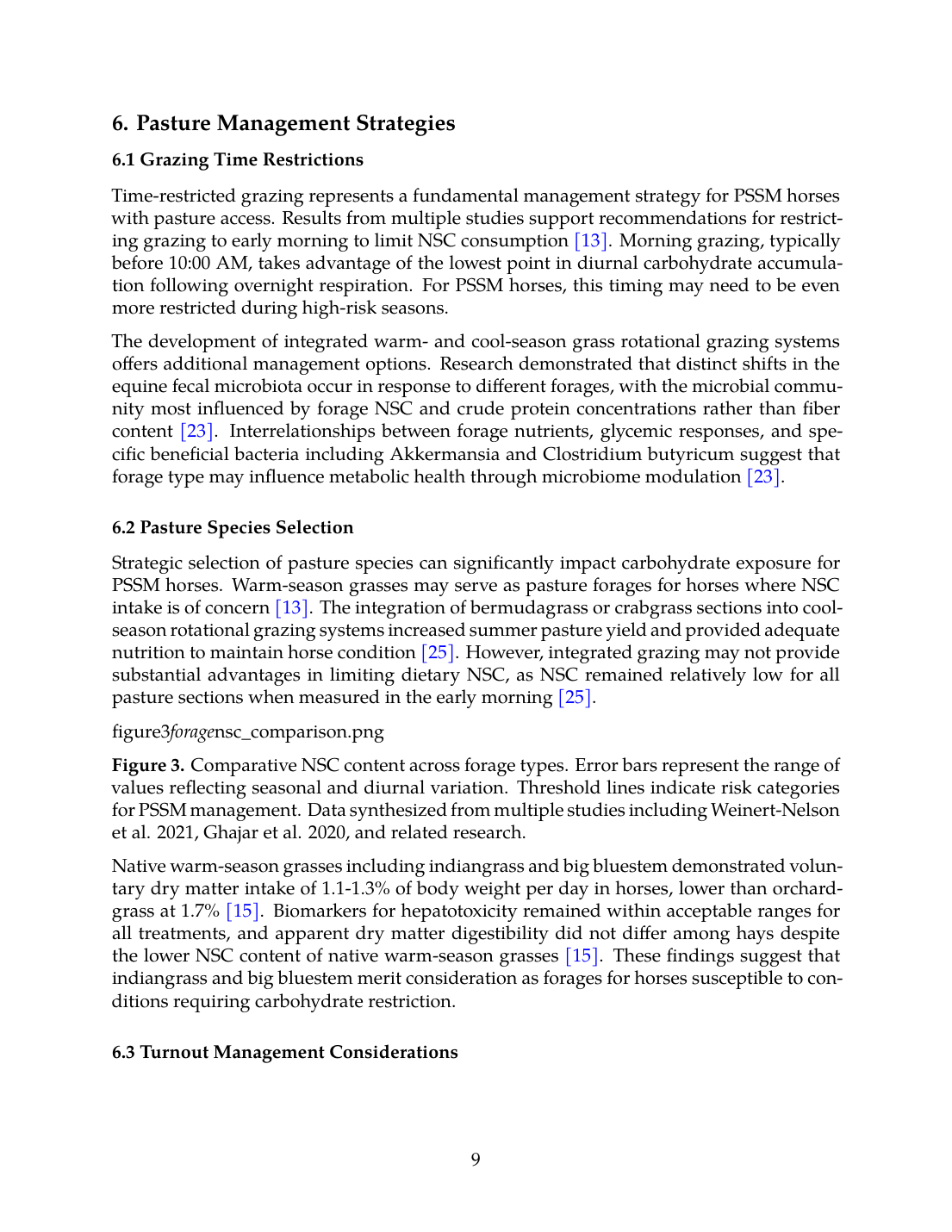
Strategic selection of pasture species can significantly impact carbohydrate exposure for PSSM horses. Warm-season grasses may serve as pasture forages for horses where NSC intake is of concern [13]. The integration of bermudagrass or crabgrass sections into cool-season rotational grazing systems increased summer pasture yield and provided adequate nutrition to maintain horse condition [25]. However, integrated grazing may not provide substantial advantages in limiting dietary NSC, as NSC remained relatively low for all pasture sections when measured in the early morning [25].
Figure 3. Comparative NSC content across forage types. Error bars represent the range of values reflecting seasonal and diurnal variation. Threshold lines indicate risk categories for PSSM management. Data synthesized from multiple studies including Weinert-Nelson et al. 2021, Ghajar et al. 2020, and related research.
Native warm-season grasses including indiangrass and big bluestem demonstrated voluntary dry matter intake of 1.1-1.3% of body weight per day in horses, lower than orchardgrass at 1.7% [15]. Biomarkers for hepatotoxicity remained within acceptable ranges for all treatments, and apparent dry matter digestibility did not differ among hays despite the lower NSC content of native warm-season grasses [15]. These findings suggest that indiangrass and big bluestem merit consideration as forages for horses susceptible to conditions requiring carbohydrate restriction.
6.3 Turnout Management Considerations
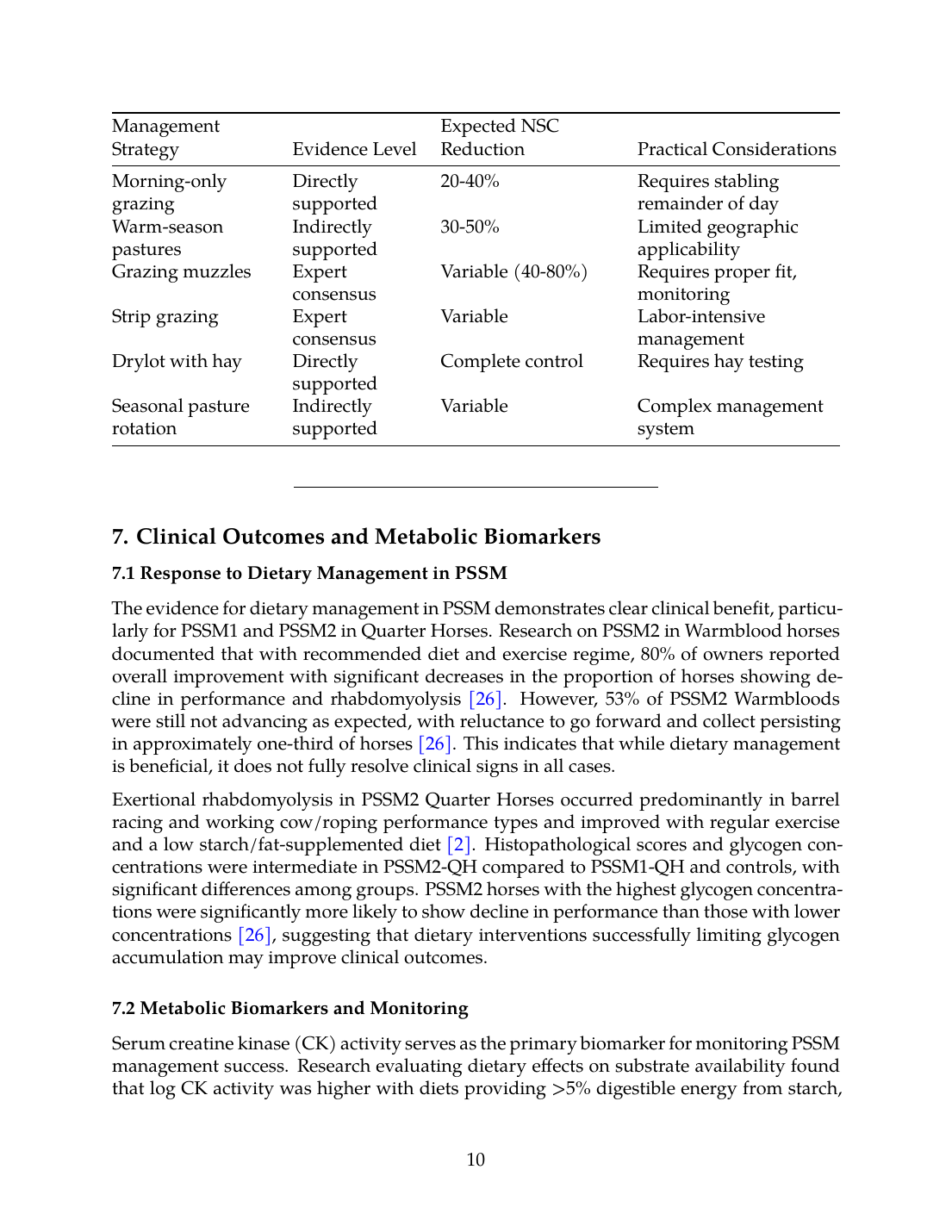
| Management Strategy | Evidence Level | Expected NSC Reduction | Practical Considerations |
|---|---|---|---|
| Morning-only grazing | Directly supported | 20-40% | Requires stabling remainder of day |
| Warm-season pastures | Indirectly supported | 30-50% | Limited geographic applicability |
| Grazing muzzles | Expert consensus | Variable (40-80%) | Requires proper fit, monitoring |
| Strip grazing | Expert consensus | Variable | Labor-intensive management |
| Drylot with hay | Directly supported | Complete control | Requires hay testing |
| Seasonal pasture rotation | Indirectly supported | Variable | Complex management system |
7. Clinical Outcomes and Metabolic Biomarkers
7.1 Response to Dietary Management in PSSM
The evidence for dietary management in PSSM demonstrates clear clinical benefit, particularly for PSSM1 and PSSM2 in Quarter Horses. Research on PSSM2 in Warmblood horses documented that with recommended diet and exercise regime, 80% of owners reported overall improvement with significant decreases in the proportion of horses showing decline in performance and rhabdomyolysis [26]. However, 53% of PSSM2 Warmbloods were still not advancing as expected, with reluctance to go forward and collect persisting in approximately one-third of horses [26]. This indicates that while dietary management is beneficial, it does not fully resolve clinical signs in all cases.
Exertional rhabdomyolysis in PSSM2 Quarter Horses occurred predominantly in barrel racing and working cow/roping performance types and improved with regular exercise and a low starch/fat-supplemented diet [2]. Histopathological scores and glycogen concentrations were intermediate in PSSM2-QH compared to PSSM1-QH and controls, with significant differences among groups. PSSM2 horses with the highest glycogen concentrations were significantly more likely to show decline in performance than those with lower concentrations [26], suggesting that dietary interventions successfully limiting glycogen accumulation may improve clinical outcomes.
7.2 Metabolic Biomarkers and Monitoring
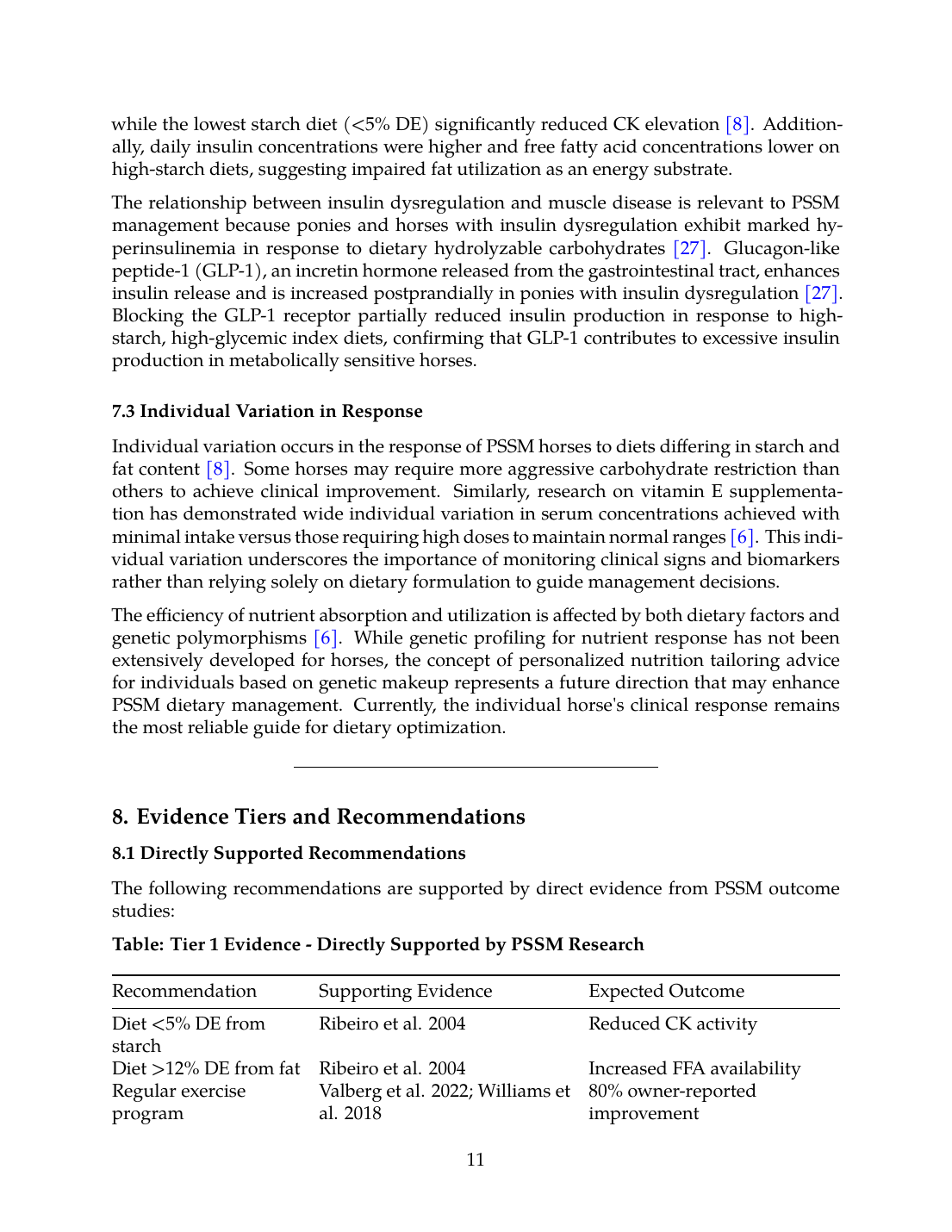
Serum creatine kinase (CK) activity serves as the primary biomarker for monitoring PSSM management success. Research evaluating dietary effects on substrate availability found that log CK activity was higher with diets providing >5% digestible energy from starch, while the lowest starch diet (<5% DE) significantly reduced CK elevation [8]. Additionally, daily insulin concentrations were higher and free fatty acid concentrations lower on high-starch diets, suggesting impaired fat utilization as an energy substrate.
The relationship between insulin dysregulation and muscle disease is relevant to PSSM management because ponies and horses with insulin dysregulation exhibit marked hyperinsulinemia in response to dietary hydrolyzable carbohydrates [27]. Glucagon-like peptide-1 (GLP-1), an incretin hormone released from the gastrointestinal tract, enhances insulin release and is increased postprandially in ponies with insulin dysregulation [27]. Blocking the GLP-1 receptor partially reduced insulin production in response to high-starch, high-glycemic index diets, confirming that GLP-1 contributes to excessive insulin production in metabolically sensitive horses.
7.3 Individual Variation in Response
Individual variation occurs in the response of PSSM horses to diets differing in starch and fat content [8]. Some horses may require more aggressive carbohydrate restriction than others to achieve clinical improvement. Similarly, research on vitamin E supplementation has demonstrated wide individual variation in serum concentrations achieved with minimal intake versus those requiring high doses to maintain normal ranges [6]. This individual variation underscores the importance of monitoring clinical signs and biomarkers rather than relying solely on dietary formulation to guide management decisions.
The efficiency of nutrient absorption and utilization is affected by both dietary factors and genetic polymorphisms [6]. While genetic profiling for nutrient response has not been extensively developed for horses, the concept of personalized nutrition tailoring advice for individuals based on genetic makeup represents a future direction that may enhance PSSM dietary management. Currently, the individual horse's clinical response remains the most reliable guide for dietary optimization.
---
8. Evidence Tiers and Recommendations
8.1 Directly Supported Recommendations
The following recommendations are supported by direct evidence from PSSM outcome studies:
Table: Tier 1 Evidence - Directly Supported by PSSM Research
| Recommendation | Supporting Evidence | Expected Outcome |
|---|---|---|
| Diet <5% DE from starch | Ribeiro et al. 2004 | Reduced CK activity |
| Diet >12% DE from fat | Ribeiro et al. 2004 | Increased FFA availability |
| Regular exercise program | Valberg et al. 2022; Williams et al. 2018 | 80% owner-reported improvement |
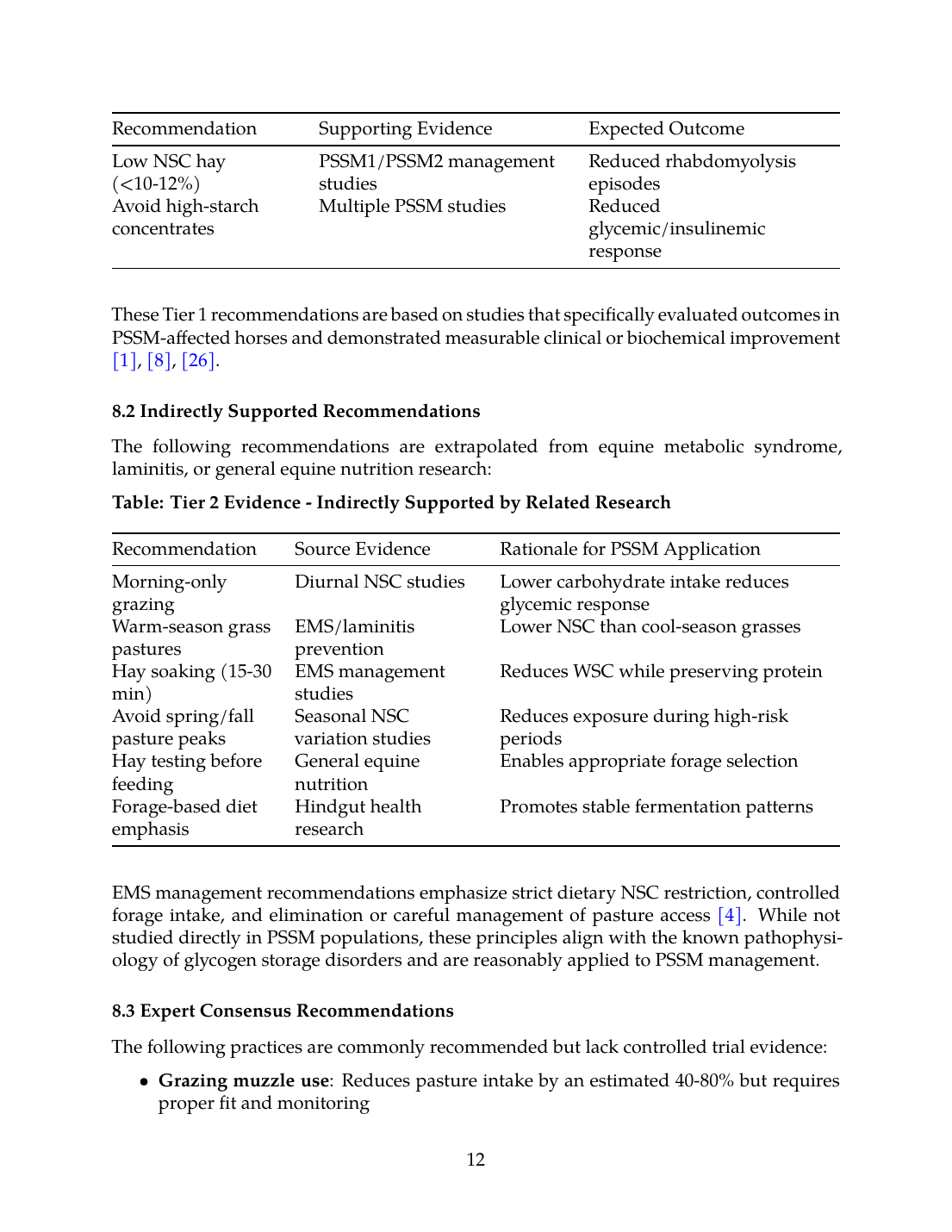
| Low NSC hay (<10-12%) | PSSM1/PSSM2 management studies | Reduced rhabdomyolysis episodes |
| Avoid high-starch concentrates | Multiple PSSM studies | Reduced glycemic/insulinemic response |
8.2 Indirectly Supported Recommendations
The following recommendations are extrapolated from equine metabolic syndrome, laminitis, or general equine nutrition research:
Table: Tier 2 Evidence - Indirectly Supported by Related Research
| Recommendation | Source Evidence | Rationale for PSSM Application |
|---|---|---|
| Morning-only grazing | Diurnal NSC studies | Lower carbohydrate intake reduces glycemic response |
| Warm-season grass pastures | EMS/laminitis prevention | Lower NSC than cool-season grasses |
| Hay soaking (15-30 min) | EMS management studies | Reduces WSC while preserving protein |
| Avoid spring/fall pasture peaks | Seasonal NSC variation studies | Reduces exposure during high-risk periods |
| Hay testing before feeding | General equine nutrition | Enables appropriate forage selection |
| Forage-based diet emphasis | Hindgut health research | Promotes stable fermentation patterns |
8.3 Expert Consensus Recommendations
The following practices are commonly recommended but lack controlled trial evidence:
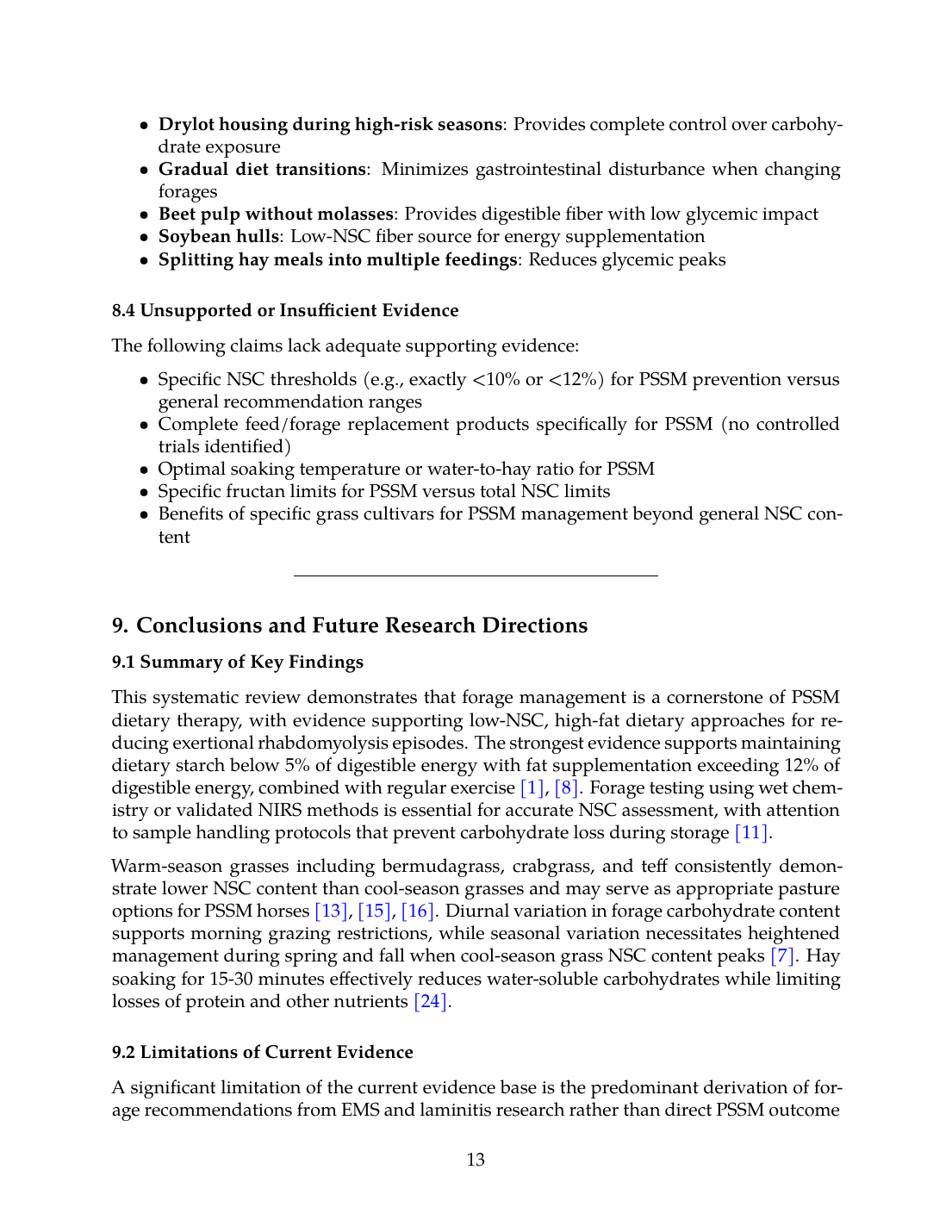
- Grazing muzzle use: Reduces pasture intake by an estimated 40-80% but requires proper fit and monitoring
- Drylot housing during high-risk seasons: Provides complete control over carbohydrate exposure
- Gradual diet transitions: Minimizes gastrointestinal disturbance when changing forages
- Beet pulp without molasses: Provides digestible fiber with low glycemic impact
- Soybean hulls: Low-NSC fiber source for energy supplementation
- Splitting hay meals into multiple feedings: Reduces glycemic peaks
8.4 Unsupported or Insufficient Evidence
The following claims lack adequate supporting evidence:
- Specific NSC thresholds (e.g., exactly <10% or <12%) for PSSM prevention versus general recommendation ranges
- Complete feed/forage replacement products specifically for PSSM (no controlled trials identified)
- Optimal soaking temperature or water-to-hay ratio for PSSM
- Specific fructan limits for PSSM versus total NSC limits
- Benefits of specific grass cultivars for PSSM management beyond general NSC content
---
9. Conclusions and Future Research Directions
9.1 Summary of Key Findings
This systematic review demonstrates that forage management is a cornerstone of PSSM dietary therapy, with evidence supporting low-NSC, high-fat dietary approaches for reducing exertional rhabdomyolysis episodes. The strongest evidence supports maintaining dietary starch below 5% of digestible energy with fat supplementation exceeding 12% of digestible energy, combined with regular exercise [8],[1]. Forage testing using wet chemistry or validated NIRS methods is essential for accurate NSC assessment, with attention to sample handling protocols that prevent carbohydrate loss during storage [11].
Warm-season grasses including bermudagrass, crabgrass, and teff consistently demonstrate lower NSC content than cool-season grasses and may serve as appropriate pasture options for PSSM horses [13],[15],[16]. Diurnal variation in forage carbohydrate content supports morning grazing restrictions, while seasonal variation necessitates heightened management during spring and fall when cool-season grass NSC content peaks [7]. Hay soaking for 15-30 minutes effectively reduces water-soluble carbohydrates while limiting losses of protein and other nutrients [24].
9.2 Limitations of Current Evidence
A significant limitation of the current evidence base is the predominant derivation of forage recommendations from EMS and laminitis research rather than direct PSSM outcome studies. While the pathophysiological rationale for applying these recommendations to PSSM is sound, controlled trials evaluating specific forage interventions in PSSM horses remain limited. Additionally, most PSSM research has focused on Quarter Horses, with less evidence available for Warmbloods, draft breeds, and other affected populations [26].
9.3 Recommendations for Practice
Based on the evidence reviewed, practitioners managing PSSM horses should:
- Test all hay before feeding using accredited laboratories with equine-specific NSC calibrations
- Target total dietary NSC below 10-12% of dry matter from all sources combined
- Supplement fat to provide 12-15% of digestible energy for horses requiring additional calories
- Restrict pasture access during high-risk seasons (spring and fall) and times of day (afternoon)
- Consider warm-season grass pastures where geographically appropriate
- Monitor clinical response and adjust management based on individual horse outcomes
- Implement regular exercise as an essential component alongside dietary modification
9.4 Future Research Priorities
Future research should prioritize:
- Controlled trials of specific forage types in PSSM1 and PSSM2 horses with clinical outcome measures
- Development of PSSM-specific NSC thresholds based on clinical response data
- Evaluation of forage replacement products in PSSM management
- Investigation of microbiome responses to different forage types in PSSM horses
- Studies on the interaction between genetic variants and dietary response in PSSM
References
References
Numbered in order of first citation, IEEE style. Each entry links to the original source via DOI or publisher URL.
- A. Firshman and S. Valberg, “Polysaccharide Storage Myopathy.,” The Veterinary clinics of North America. Equine practice, Jan. 2025. doi: 10.1016/j.cveq.2024.11.004. View source
- S. Valberg, Z. J. Williams, C. Finno, A. Schultz, D. Velez-Irizarry, M. Henry, K. Gardner, and J. Petersen, “Type 2 polysaccharide storage myopathy in Quarter Horses is a novel glycogen storage disease causing exertional rhabdomyolysis.,” Equine Veterinary Journal, Aug. 2022. doi: 10.1111/evj.13876. View source
- R. Naylor, L. Livesey, J. Schumacher, N. Henke, C. Massey, K. Brock, M. Fernández-Fuente, and R. Piercy, “Allele Copy Number and Underlying Pathology Are Associated with Subclinical Severity in Equine Type 1 Polysaccharide Storage Myopathy (PSSM1),” PLoS ONE, Jul. 2012. doi: 10.1371/journal.pone.0042317. View source
- F. Bertin, “Diagnosis and management of equine metabolic syndrome,” Equine Veterinary Education, Mar. 2026. doi: 10.1111/eve.70094. View source
- C. Ermers, N. McGilchrist, K. Fenner, B. Wilson, and P. McGreevy, “The Fibre Requirements of Horses and the Consequences and Causes of Failure to Meet Them,” Animals, Apr. 2023. doi: 10.3390/ani13081414. View source
- C. J. Finno, “How Nutrigenomics Impacts Equine Health - A Case Study of Vitamin E.,” Journal of Equine Veterinary Science, Mar. 2025. doi: 10.1016/j.jevs.2025.105421. View source
- I. Kagan, “Water- and ethanol-soluble carbohydrates of temperate grass pastures: a review of factors affecting concentration and composition.,” Journal of Equine Veterinary Science, Jan. 2022. doi: 10.1016/j.jevs.2022.103866. View source
- W. P. Ribeiro, S. Valberg, J. D. Pagan, and B. Gustavsson, “The effect of varying dietary starch and fat content on serum creatine kinase activity and substrate availability in equine polysaccharide storage myopathy.,” Journal of Veterinary Internal Medicine, Nov. 2004. doi: 10.1111/j.1939-1676.2004.tb02637.x. View source
- M. Vranić, K. Bošnjak, I. Rukavina, S. Glavanović, N. P. Pukec, A. Babić, and I. Vranić, “Prediction of forage chemical composition by NIR spectroscopy,” Journal of Central European Agriculture, 2020. doi: 10.5513/jcea01/21.3.2839. View source
- K. J. Kramer, I. Kagan, L. Lawrence, B. Goff, and S. Smith, “Water-Soluble Carbohydrates of Cool-Season Grasses: Prediction of Concentrations by Near-Infrared Reflectance Spectroscopy and Evaluation of Effects of Genetics, Management, and Environment.,” Journal of Equine Veterinary Science, Jul. 2020. doi: 10.1016/j.jevs.2020.103014. View source
- B. S. Kerley, P. Harris, K. Lea, M. McClendon, and A. Adams, “Effects of storage-handling methods on nutrient analysis of fresh-forage samples.,” Journal of Equine Veterinary Science, Sep. 2024. doi: 10.1016/j.jevs.2024.105182. View source
- K. Martinson, “58 Awardee Talk: A decade of discovery in horse pasture utilization,” Journal of Animal Science, Sep. 2024. doi: 10.1093/jas/skae234.249. View source
- J. R. Weinert-Nelson, W. Meyer, and C. A. Williams, “Diurnal Variation in Forage Nutrient Composition of Mixed Cool-Season Grass, Crabgrass, and Bermudagrass Pastures.,” Journal of Equine Veterinary Science, Dec. 2021. doi: 10.1016/j.jevs.2021.103836. View source
- S. Muhonen and V. Julliand, “Fibre Composition and Maturity of Forage-Based Diets Affects the Fluid Balance, Faecal Water-Holding Capacity and Microbial Ecosystem in French Trotters,” Animals, Jan. 2023. doi: 10.3390/ani13030328. View source
- S. Ghajar, H. Mckenzie, J. Fike, B. McIntosh, and B. F. Tracy, “Evaluating digestibility and toxicity of native warm-season grasses for equines,” Translational Animal Science, Dec. 2020. doi: 10.1093/tas/txaa224. View source
- M. DeBoer, M. Hathaway, P. Weber, C. Sheaffer, K. J. Kuhle, and K. Martinson, “Glucose and Insulin Response of Aged Horses Grazing Alfalfa, Perennial Cool‐Season Grass, and Teff During the Spring and Late Fall,” Journal of Equine Veterinary Science, Jan. 2019. doi: 10.1016/j.jevs.2018.10.027. View source
- M. Köninger, A. von Velsen-Zerweck, C. Eiberger, C. Löffler, A. Töpper, C. Visscher, B. Reckels, and I. Vervuert, “Nutrient Composition and Feed Hygiene of Alfalfa, Comparison of Feed Intake and Selected Metabolic Parameters in Horses Fed Alfalfa Haylage, Alfalfa Hay or Meadow Hay,” Animals, Mar. 2024. doi: 10.3390/ani14060889. View source
- T. L. Hansen, J. Weir-Chouinard, E. Willemse, and L. Warren, “64 Feeding elite equine athletes: Perspectives from high-goal polo and endurance riding competitors,” May 2021. doi: 10.1016/J.JEVS.2021.103527. View source
- I. Kagan, M. L. Anderson, K. J. Kramer, D. H. Seman, L. Lawrence, and S. Smith, “Seasonal and Diurnal Variation in Water-Soluble Carbohydrate Concentrations of Repeatedly Defoliated Red and White Clovers in Central Kentucky.,” Journal of Equine Veterinary Science, Jan. 2020. doi: 10.1016/j.jevs.2019.102858. View source
- C. Carver, J. Bruemmer, S. Coleman, G. Landolt, and T. Hess, “Effects of corn supplementation on serum and muscle microRNA profiles in horses,” Food Science & Nutrition, Feb. 2023. doi: 10.1002/fsn3.3259. View source
- S. Muhonen, S. Sadet-Bourgeteau, and V. Julliand, “Effects of Differences in Fibre Composition and Maturity of Forage-Based Diets on the Microbial Ecosystem and Its Activity in Equine Caecum and Colon Digesta and Faeces,” Animals, Aug. 2021. doi: 10.3390/ani11082337. View source
- A. C. Riley, I. A. Kagan, B. E. Davis, L. M. Lawrence, C. Teutsch, and S. R. Smith, “Seasonal and diurnal variation in forage nutritive value of cool‐season grasses as predicted by near‐infrared reflectance spectroscopy (NIRS),” Crop, Forage & Turfgrass Management, Sep. 2025. doi: 10.1002/cft2.70079. View source
- J. R. Weinert-Nelson, A. Biddle, H. Sampath, and C. A. Williams, “Fecal Microbiota, Forage Nutrients, and Metabolic Responses of Horses Grazing Warm- and Cool-Season Grass Pastures,” Animals, Feb. 2023. doi: 10.3390/ani13050790. View source
- M. Bochnia, C. Pietsch, M. Wensch-Dorendorf, M. Greef, and A. Zeyner, “Effect of Hay Soaking Duration on Metabolizable Energy, Total and Prececal Digestible Crude Protein and Amino Acids, Non-Starch Carbohydrates, Macronutrients and Trace Elements.,” Journal of Equine Veterinary Science, Mar. 2021. doi: 10.1016/J.JEVS.2021.103452. View source
- J. R. Weinert-Nelson, W. Meyer, and C. A. Williams, “Yield, nutrient composition, and horse condition in integrated crabgrass and cool-season grass rotational grazing pasture systems,” Translational Animal Science, Oct. 2021. doi: 10.1093/tas/txab208. View source
- Z. J. Williams, M. Bertels, and S. Valberg, “Muscle glycogen concentrations and response to diet and exercise regimes in Warmblood horses with type 2 Polysaccharide Storage Myopathy,” PLoS ONE, Sep. 2018. doi: 10.1371/journal.pone.0203467. View source
- M. D. de Laat, D. Fitzgerald, P. A. Harris, and S. R. Bailey, “A glucagon-like peptide-1 receptor antagonist reduces the insulin response to a glycemic meal in ponies,” Journal of Animal Science, Dec. 2023. doi: 10.1093/jas/skad389. View source
This review is one of 34 in the Foxwatch research corpus. Methodology: PRISMA 2020-style systematic literature review against PubMed, CAB Abstracts, Scopus, Web of Science, and equine veterinary conference proceedings.